
Blood donation and blood transfusion are among modern medicine’s greatest gifts. Every day donated blood helps save the lives of mothers during childbirth, accident and trauma victims, cancer patients, people living with chronic illnesses and those undergoing surgery. For many of these patients, there is simply no substitute for donated blood. Their survival depends on the generosity of ordinary people who choose to donate. But what happens when cultural beliefs or religious convictions prevent people from donating blood or from receiving a blood transfusion?
In South Africa and elsewhere in sub-Saharan Africa, as it is globally, cultural and religious factors often act as barriers to blood donation.
In many African communities, blood is deeply tied to identity, ancestry, family lineage and spirituality, so donating blood to a stranger can seem spiritually risky or culturally inappropriate.
In some communities, blood donation or transfusion is viewed with suspicion or fear. Traditional healers may believe that blood donation disrupts ancestral balance, potentially causing misfortune or illness. Others worry that donated blood may be used in witchcraft or for curses. These beliefs, though deeply rooted in culture and history, can discourage otherwise healthy individuals from donating blood.
Other beliefs still persist today. These include donating blood can cause weakness or reduce physical strength and may lead to decreased fertility.
These barriers are not uniform. They vary across age groups, language communities and between urban and rural populations.
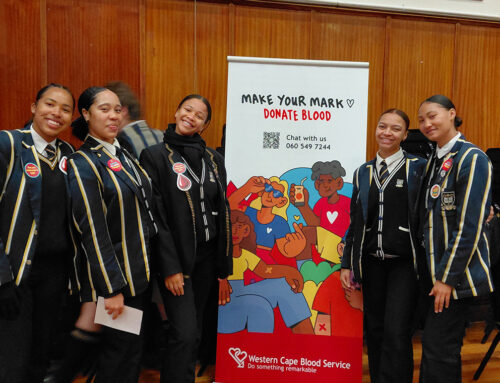
The youth, between 16 and 24, are the easiest to reach through schools and universities. Their main concerns include fear of needles, anxiety about HIV testing and discomfort with personal behaviour questions. In this age group, peer opinion matters a lot. When friends donate, others are more likely to follow.
In the adult age group, ranging from 25 to 45, donating blood is often seen as something reserved for an emergency involving a family member rather than something you would do routinely. The stressors of life often make donating blood in this age group low on the priority list.
Among the older generation traditional beliefs about blood donation are more firmly established. As respected elders and family decision-makers, they often influence the attitudes and behaviours of younger relatives. Gaining their trust and support can therefore have a ripple effect throughout entire communities.
Cultural beliefs are not the only barrier to blood donation. Religious beliefs also influence attitudes towards blood donation and transfusion.
Most mainstream Christian denominations regard blood donation as an act of charity, a way to help others in need. However, some independent churches emphasise faith healing over medical care and discourage medical interventions.
Historically, the best-known religious position has been that of Jehovah’s Witnesses. They have always declined blood transfusions and also did not donate blood because it would be stored before use which conflicts with their religious beliefs. However, recently the leadership of Jehovah’s Witnesses updated its policy to include accepting or donating a blood component such as red cells, white ccells, plasma or platelets is a matter of personal choice. Donating or accepting whole blood is still strictly forbidden.
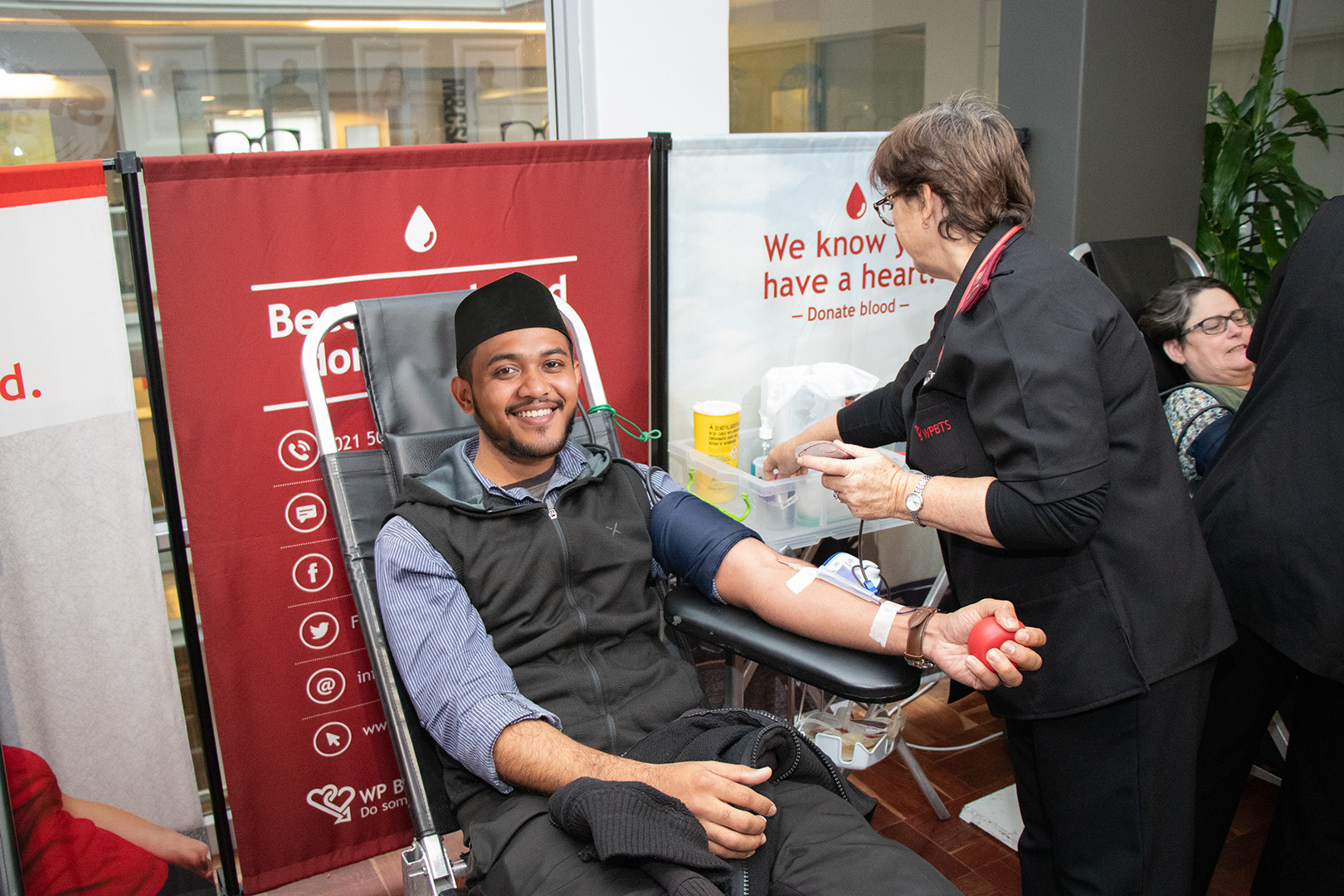
Islam views blood donation as a noble act and often encourages it as a way to help those in need, however there are certain restrictions such as not donating or receiving blood during Ramadan.
Similarly, in Judaism, saving a life is considered one of the most important commandments and blood donation is a way to fulfil this obligation. There are some specific guidelines regarding blood donation such as not donating on the sabbath or Jewish Holidays.
Addressing these cultural and religious barriers to blood donation requires a respectful approach. Building trust is essential. Recruitment campaigns are often most successful when trusted local figures such as pastors, teachers or peer donors deliver the message. A well know community leader donating is a powerful example that may encourage others in the community.
Education remains our most powerful tool. Myths need to be addressed openly and respectfully. Explaining how blood is used, how your body replaces donated blood, how donor confidentiality is protected and the importance of honesty when donating can help reduce fear and increase understanding.
By shifting the conversation from “for my family” to “for my community” and encouraging open dialogue, we can break down barriers and grow a culture of voluntary blood donation amongst all South Africans.
The next life saved could belong to someone you know, or someone you’ll never meet. Either way, giving blood is a lasting gift of hope, compassion and humanity. And that’s something all South Africans, regardless of race, culture or religion can unite behind.